November is American
Diabetes Month
Prediabetes
What it means and what you can do
There are no clear symptoms of prediabetes so you may have it and not know it. But before people develop type 2 diabetes, they almost always have prediabetes—where blood sugar levels that are higher than normal but not yet high enough to be diagnosed as diabetes. It is possible that you may have some of the symptoms of diabetes or even some of the complications. If you think you may have diabetes or prediabetes, check with your doctor and get tested.
If you discover that you do have prediabetes, remember that it doesn’t mean you’ll develop type 2, particularly if you follow a treatment plan and make changes to your lifestyle through food choices and physical activity. Even small changes can have a huge impact on delaying or preventing diabetes all together. Work with a health care professional to make a plan that works for your lifestyle, or look for a Centers for Disease Control and Prevention (CDC) recognized lifestyle change program, guided by a lifestyle coach trained to use a CDC-approved curriculum, where you will meet other people who are working to prevent diabetes.
Type 1 diabetes, the body does not produce insulin. The body breaks down the carbohydrates you eat into blood sugar that it uses for energy – and insulin is a hormone that the body needs to get glucose from the bloodstream into the cells of the body. By living a healthy lifestyle filled with exercise and proper diet, you can live a normal life and do everything you set out to do.
Type 2 diabetes (the most common form of diabetes- means that your body doesn’t use insulin property. And while some people can control their blood sugar levels with healthy eating and exercise, others may need medication or insulin to help manage it. The key part to managing type 2 diabetes is maintaining a healthy diet. Fitness is another key to managing Type 2. The good news is all you have got to do is get moving. No matter how fit you are, a little activity every day can help you put yourself in charge of your life.
Carbs, carbs, carbs—what about them?
When it comes to managing diabetes, the carbohydrates, or carbs, you eat play an important role. They impact your blood sugar, so remember that balance is key!
There are three main types of carbohydrates in food—starches, sugar and fiber. As you’ll see on the nutrition labels for the food you buy, the term “total carbohydrate” refers to all three of these types.
When it comes to choosing foods with carbs, the goal is to choose carbs that are nutrient-dense, which means they are rich in fiber, vitamins and minerals, and low in added sugars, sodium and unhealthy fats.
Get smart on carbs.
When you eat or drink foods that have carbohydrate—also known as carbs—your body breaks those carbs down into glucose (a type of sugar), which then raises the level of glucose in your blood. Your body uses that glucose for fuel to keep you going throughout the day. This is what you probably know of as your “blood glucose” or “blood sugar.” When it comes to managing diabetes, the carbs you eat play an important role. After your body breaks down those carbs into glucose, your pancreas releases insulin to help your cells absorb that glucose.
When someone’s blood glucose—or blood sugar—is too high, it is called
hyperglycemia. There are a few causes for “highs,” including not having enough insulin in your body to process the glucose in the blood or the cells in your body not effectively reacting to the insulin that is released, leaving extra glucose in the blood. A low blood glucose is known as
hypoglycemia. “Lows” can sometimes be caused by not consuming enough carbohydrates, or an imbalance in medications. In short, the carbs we consume impact our blood sugar—so balance is key!
There are three main types of carbohydrates in food—starches, sugar and fiber. As you’ll see on the nutrition labels for the food you buy, the term “total carbohydrate” refers to all three of these types. The goal is to choose carbs that are nutrient-dense, which means they are rich in fiber, vitamins and minerals, and low in added sugars, sodium and unhealthy fats. When choosing carbohydrate foods:
- Eat the most of these: whole, unprocessed, non-starchy vegetables. Non-starchy vegetables like lettuce, cucumbers, broccoli, tomatoes and green beans have a lot of fiber and very little carbohydrate, which results in a smaller impact on your blood sugar.
- Eat some of these: whole, minimally processed carbohydrate foods. These are your starchy carbohydrates, and include fruits like apples, blueberries, strawberries and cantaloupe; whole intact grains like brown rice, whole wheat bread, whole grain pasta and oatmeal; starchy vegetables like corn, green peas, sweet potatoes, pumpkin and plantains; and beans and lentils like black beans, kidney beans, chickpeas and green lentils.
- Try to eat less of these: refined, highly processed carbohydrate foods and those with added sugar. These include sugary drinks like soda, sweet tea and juice, refined grains like white bread, white rice and sugary cereal, and sweets and snack foods like cake, cookies, candy and chips.
COVID-19 and Diabetes
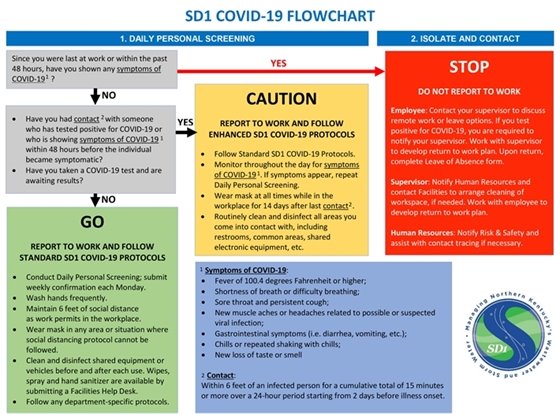
People with diabetes do face a higher chance of experiencing serious complications from COVID-19. In general, people with diabetes are more likely to experience severe symptoms and complications when infected with a virus.
Your risk of getting very sick from COVID-19 is likely to be lower if your diabetes is well-managed. When people with diabetes do not manage their diabetes well and experience fluctuating blood sugars, they are generally at risk for a number of diabetes-related complications. Having heart disease or other complications in addition to diabetes could worsen the chance of getting seriously ill from COVID-19, like other viral infections, because your body’s ability to fight off an infection is compromised.
Viral infections can also increase inflammation, or internal swelling, in people with diabetes. This is also caused by above-target blood sugars, and both could contribute to more severe complications
SD1 has the Wellness Program where our A1C is tested every year. If you are prediabetes, you can take measures so you do not develop Type 2 through diet and exercise. If you do develop Type 2 – life is not over. You can also manage your diabetes through diet and exercise. Remember, once you have been diagnosed with diabetes, you will always have that diagnoses even if your blood sugar is managed.





 Share on Facebook
 Share on Twitter
 Share via Email
